Traffic monitoring systems have become a crucial part of modern urban planning and road safety management. With the rise in vehicle density and smart city initiatives, authorities and businesses are increasingly relying on camera-based surveillance to track traffic flow, detect violations, and reduce congestion. However, simply installing cameras is not enough. The effectiveness of traffic monitoring cameras depends on proper planning, strategic placement, suitable hardware, and intelligent software integration. When implemented correctly, these systems can deliver real-time insights that help improve safety, reduce delays, and support long-term infrastructure planning.
Planning and Site Assessment for Maximum Coverage
Before installing any monitoring system, detailed planning and site assessment are essential. This stage involves understanding traffic patterns, identifying high-risk zones, and analyzing peak-hour congestion points. Intersections, highways, toll booths, and accident-prone areas usually require higher monitoring priority. Environmental factors such as lighting conditions, weather exposure, and surrounding infrastructure must also be evaluated to ensure uninterrupted performance.
A proper site survey helps determine camera angles, mounting height, and distance coverage. Cameras should be positioned to minimize blind spots while capturing license plates, vehicle movement, and lane changes clearly. Planning also includes ensuring access to stable power sources and network connectivity, as interruptions can severely impact data accuracy. Investing time in assessment reduces future maintenance issues and enhances overall system reliability.
Choosing the Right Camera Hardware and Technical Specifications

Selecting proper hardware plays a vital role in ensuring effective cctv monitoring, as high-resolution cameras capture fine details, while night vision, infrared support, and wide dynamic range maintain visibility in low-light, glare, and harsh outdoor environments. Weatherproof and vandal-resistant designs further improve durability, making surveillance systems reliable for continuous monitoring across high-speed roads, busy intersections, and public infrastructure areas.
Frame rate and field of view must align with traffic speed and road width. For highways, cameras with higher frame rates ensure accurate vehicle tracking, while urban intersections benefit from wider viewing angles. Compatibility with video analytics software is another key factor, as it enables advanced functions like vehicle counting, congestion analysis, and incident detection. Choosing scalable hardware ensures the system can adapt as monitoring needs grow.
Strategic Installation and Network Integration
Once the hardware is selected, correct installation determines long-term effectiveness. Cameras should be securely mounted at optimal heights to avoid tampering while maintaining clear visibility. Proper alignment ensures accurate data capture without distortion or obstruction from trees, poles, or signage. Installation should also comply with local regulations and privacy guidelines.
Strong network integration enhances real-time surveillance by connecting cameras to centralized control rooms, enabling secure data transmission, remote access, and reliable storage. Advanced system connectivity also allows instant notifications and Unauthorized Access Alerts, helping operators respond quickly to breaches, prevent misuse, and maintain traffic monitoring system security, operational continuity, and overall situational awareness.
Maintenance, Calibration, and Performance Optimization
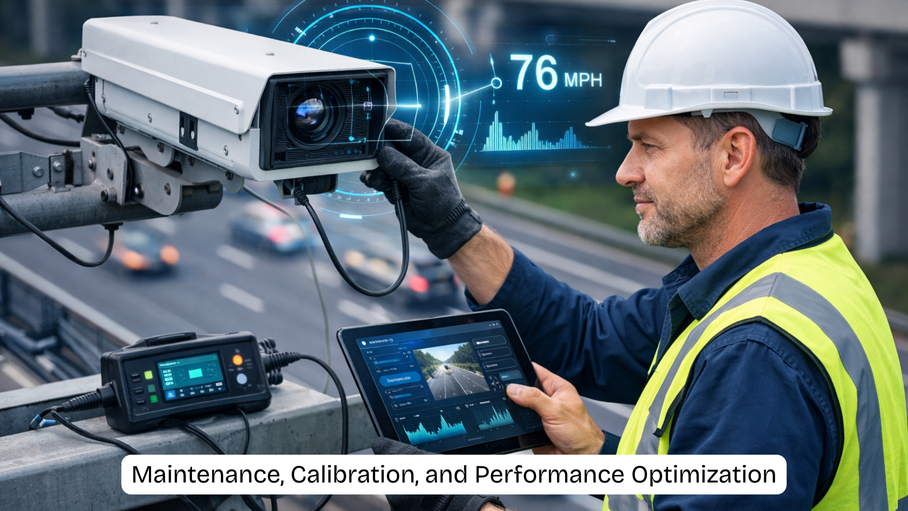
Regular maintenance is often overlooked but is vital for consistent performance. Dust, weather exposure, and vibrations can affect camera alignment and image quality over time. Routine inspections help identify issues such as lens obstruction, loose mounts, or software glitches before they escalate.
Calibration ensures that analytics tools continue to deliver accurate data. Periodic updates to firmware and software enhance security and introduce new features. Performance optimization also involves reviewing collected data to fine-tune camera angles or add additional coverage where needed. A proactive maintenance strategy extends equipment lifespan and ensures the system continues to deliver reliable insights.
Conclusion
Effective traffic surveillance is not achieved through installation alone but through thoughtful planning, quality hardware selection, strategic deployment, and continuous optimization. When implemented correctly, traffic monitoring cameras provide valuable insights that support safer roads, smoother traffic flow, and smarter urban development. A well-maintained and scalable system empowers authorities to respond quickly to incidents, reduce congestion, and build more efficient transportation networks for the future.
FAQs
1. Where should traffic monitoring cameras be installed for best results?
Traffic monitoring cameras should be installed at intersections, highways, toll booths, accident-prone zones, and areas with frequent congestion to ensure maximum visibility and useful data collection.
2. How often do traffic cameras require maintenance?
Routine inspections are recommended every few months, with immediate checks after extreme weather conditions. Regular maintenance helps maintain image clarity and system accuracy.
3. Can traffic monitoring systems be expanded in the future?
Yes, most modern systems are scalable. Additional cameras, advanced analytics, and upgraded storage can be integrated as traffic volumes and monitoring needs increase.