
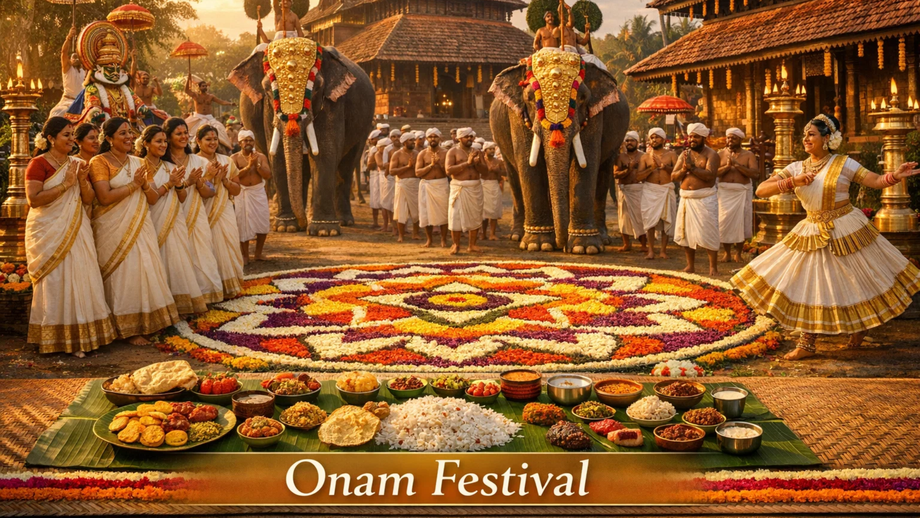
Have you ever wondered why Kerala bursts into a riot of colours, music, and feasting every year during a special time called Onam? Families clean and decorate their homes, streets become alive with intricate floral designs, and communities come together in a way that feels almost magical. This celebration is more than just a festival; it is a beautiful reflection of Kerala’s culture, heritage, and values. The Onam Festival, with its blend of mythology, tradition, and social unity, offers a window into the heart of the state’s customs and lifestyle.
The Mythological Roots of Onam
The story of Onam is deeply rooted in Kerala’s folklore. According to legend, it marks the annual homecoming of King Mahabali, a beloved ruler whose reign was said to bring prosperity, justice, and happiness to his people. Under his rule, there was no poverty or suffering, and everyone lived in harmony. The gods, impressed by his devotion and kindness but wary of his growing power, sent Lord Vishnu in his Vamana avatar to test him.
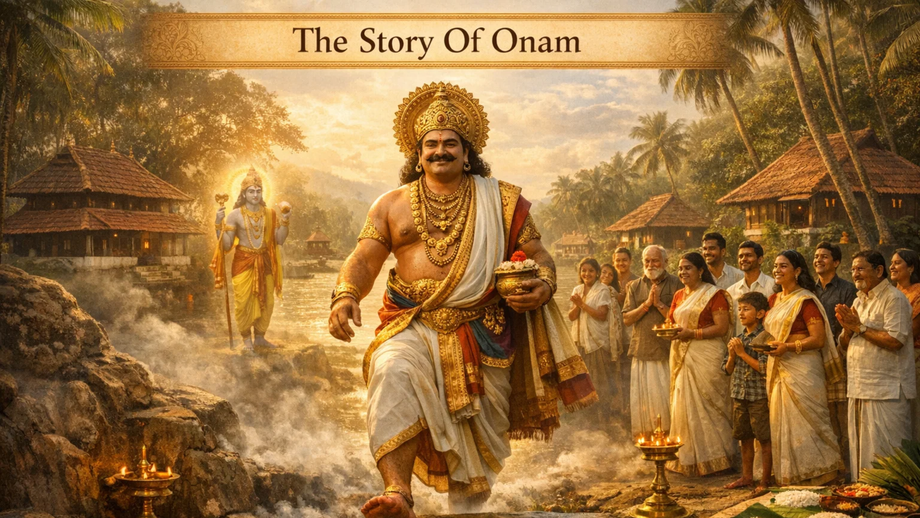
Mahabali’s humility and generosity were unparalleled, and though he was sent to the netherworld, he was granted permission to visit his kingdom once every year. Onam celebrates this return, reminding people of the virtues of fairness, devotion, and communal harmony. Celebrated during the month of Chingam (August–September), the festival spans ten days, with the day of Thiruvonam being the most important. Communities, regardless of religion or social background, participate in the festivities, making Onam a truly inclusive event that unites everyone under one cultural umbrella.
Cultural Highlights and Traditions
Pookalam: Floral Artistry
One of the most iconic features of the festival is the Pookalam, a series of intricate floral arrangements laid out in front of homes during Onam. Each day, families add layers of fresh flowers to create increasingly elaborate designs. Beyond their aesthetic appeal, these floral patterns symbolize prosperity, beauty, and the welcoming of King Mahabali. The effort, patience, and creativity involved in making Pookalams demonstrate how deeply tradition is intertwined with daily life during the festival.
Traditional Dance and Performances
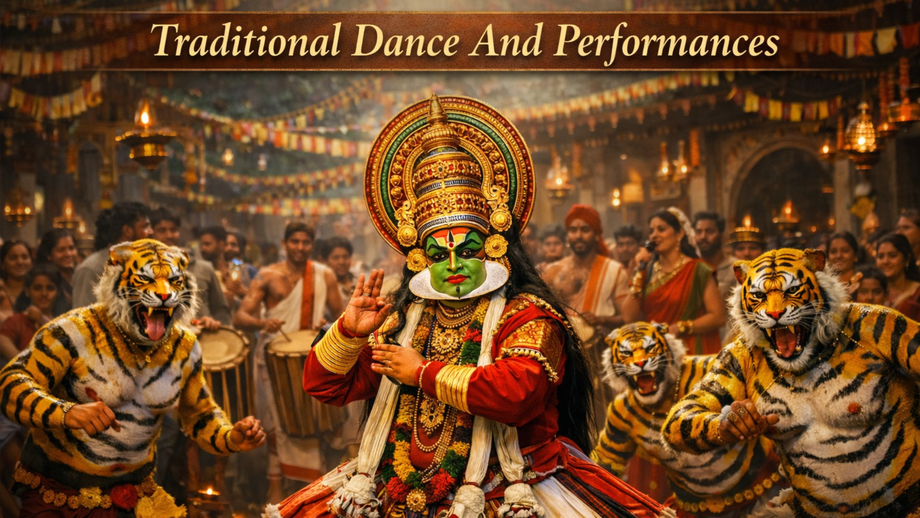
Onam is also a showcase of Kerala’s rich artistic heritage. Classical dances such as Kathakali dramatize mythological stories with elaborate costumes and expressive gestures. Another unique tradition, Pulikali, features performers painted as tigers dancing to the beat of drums, captivating audiences with their energy and vibrancy. Music recitals, folk songs, and stage performances add further colour to the festival, ensuring that every street and neighbourhood resonates with joy and celebration.
Onasadya: A Feast for the Senses
Food plays a central role in the celebrations. The Onasadya is a lavish vegetarian feast served on banana leaves, consisting of a variety of dishes such as rice, sambar, avial, olan, thoran, and payasam, a sweet dessert made from milk, jaggery, and rice. Families and friends gather to share the meal, reinforcing social bonds and fostering a sense of community. Eating together during Onam is more than just a culinary experience; it is a ritual that emphasizes unity, gratitude, and joy, values that continue to resonate in cultural reflections and traditions, much like those highlighted in Horoscope 2026.
Snake Boat Races and Sports
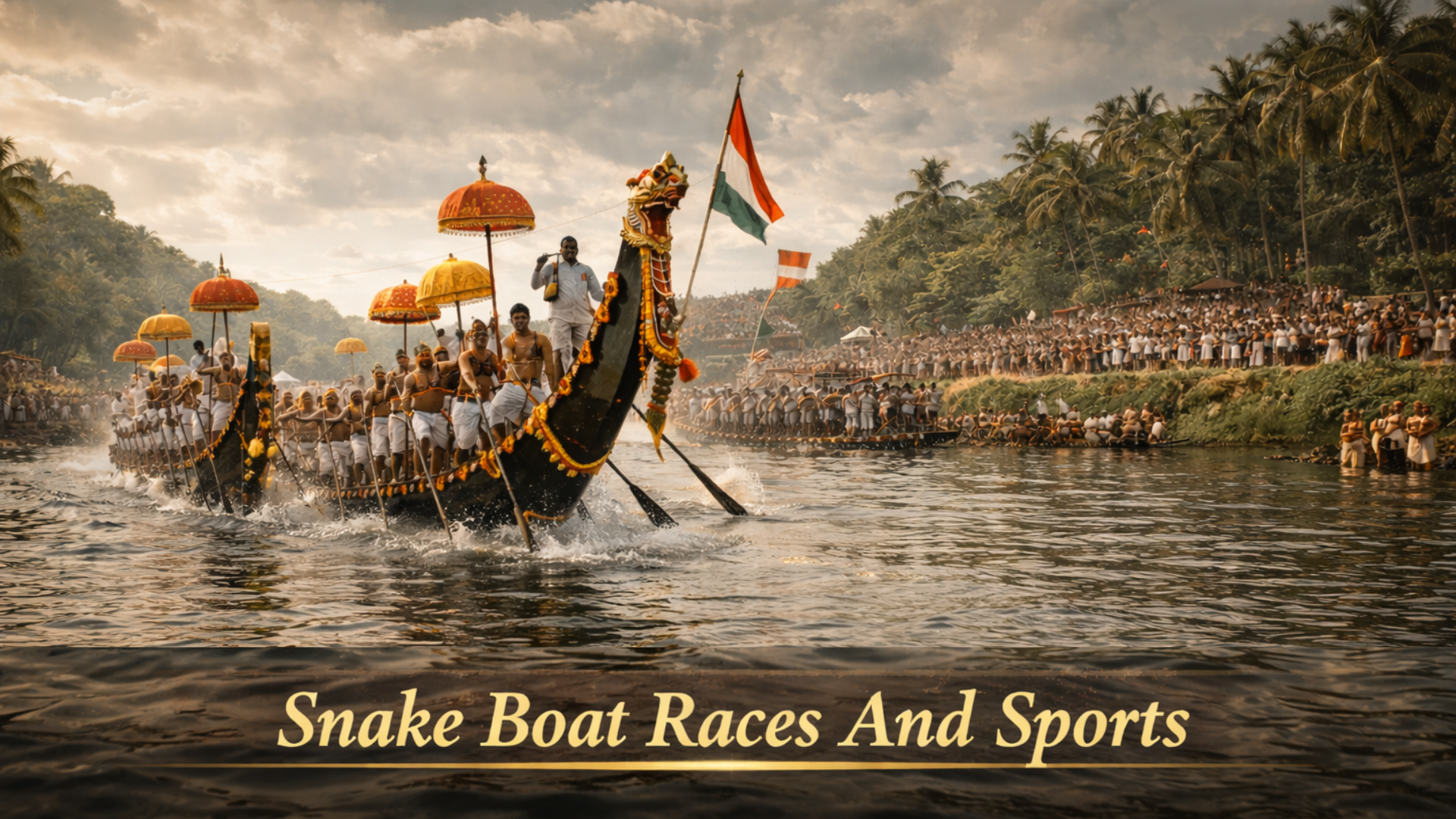
Another vibrant tradition is the Vallamkali, or snake boat races, which take place in Kerala’s backwaters. Long, narrow boats decorated with colourful designs glide across rivers, propelled by synchronized rowing teams. Accompanied by rhythmic songs and chants, these races are a spectacle of teamwork, endurance, and cultural pride. Many villages also organize traditional sports and games, keeping the spirit of friendly competition alive during the festival.
Social and Spiritual Significance
While the colourful displays, grand meals, and performances are visually striking, the deeper significance of Onam lies in its values. The festival celebrates equality, harmony, and the importance of living in balance with nature. It is a reminder to cherish heritage, honour community ties, and uphold virtues such as humility, generosity, and respect for all. In a modern world often focused on individual achievement, Onam offers a refreshing message about collective well-being and shared happiness.
You can also watch: Kya Kundali Ka Rahasya Aapke Bhavishya Ka Faisla Karta Hai? Janiye Sahi Jawab!
Conclusion: Why This Festival Continues to Inspire
The Onam Festival is more than a seasonal celebration; it is a timeless tradition that embodies Kerala’s culture, values, and social unity. From the elaborate Pookalams to the grand Onasadya, traditional dances, and exhilarating boat races, every aspect of the festival reflects devotion, creativity, and joy. Observed with enthusiasm by people of all backgrounds, it reinforces the ideals of equality, harmony, and gratitude. This Festival remains an enduring symbol of Kerala’s rich heritage and continues to inspire generations to celebrate life, community, and culture with unmatched zeal.
FAQ
Q1: When is Onam celebrated?
Onam is celebrated in August–September during the Malayalam month of Chingam.
Q2: What is Thiruvonam?
Thiruvonam is the main day of Onam, marking King Mahabali’s legendary homecoming.
Q3: What is Onasadya?
Onasadya is a lavish vegetarian feast of traditional dishes, served on fresh banana leaves.