Transform Your Balcony into a Hummingbird Paradise with This Must-Have Feeder!
Imagine stepping out onto your balcony and being greeted by the delightful flutter of tiny wings and the vibrant colors of hummingbirds darting about. Creating a hummingbird-friendly environment on your balcony can bring immense joy and beauty to your outdoor space. These enchanting birds are not only a feast for the eyes but also play an essential role in pollination. By providing them with suitable food sources through a specially designed hummingbird feeder for balcony use, you can attract these amazing creatures right to your home. Whether you’re an avid birdwatcher or simply someone who appreciates the wonders of nature, a hummingbird feeder can transform your balcony into a lively sanctuary filled with the charm of these exquisite birds.
Why Choose a Hummingbird Feeder for Your Balcony?
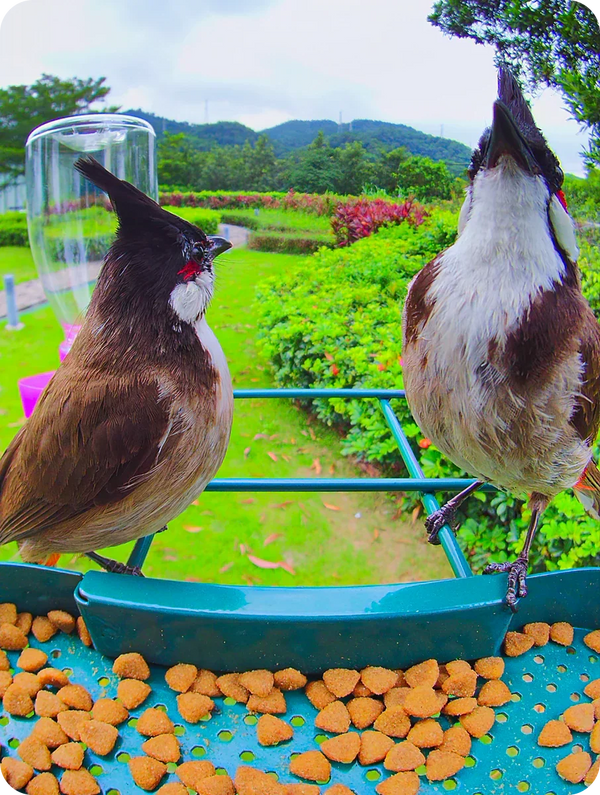
Choosing a hummingbird feeder for your balcony offers unique advantages that make it an ideal option for those with limited outdoor space. Many urban dwellers may find their balconies to be small or constrained, yet these areas can still become inviting havens for hummingbirds. A balcony feeder allows you to attract these beautiful birds without taking up much room. Additionally, positioning a feeder on your balcony can create a close-up viewing experience that enhances your connection with nature. You can observe the fascinating behaviors of hummingbirds as they hover and feed, providing a delightful escape from the hustle and bustle of daily life. Moreover, balcony feeders can be designed in ways that complement your outdoor decor, making them a stylish addition to your space.
Types of Hummingbird Feeders Suitable for Balconies
There are several types of hummingbird feeders that are particularly well-suited for balcony settings. One popular option is hanging feeders, which can be easily attached to hooks or railings. These feeders often come in various sizes and styles, allowing you to select one that fits your aesthetic. Another excellent choice is window feeders, which can be mounted directly onto the glass. This type provides a unique opportunity to view hummingbirds up close as they feed and is perfect for smaller balconies. Additionally, suction cup feeders offer a versatile solution that can be placed almost anywhere on the balcony, maximizing space while attracting birds. Each of these feeder types has features designed to cater to limited spaces, such as compact designs and easy installation methods, ensuring that you can enjoy the beauty of hummingbirds without overwhelming your balcony.
Key Features to Look For
When choosing a hummingbird feeder for your balcony, there are several key features to consider. Size is crucial; opt for a feeder that is compact enough to fit comfortably on your balcony without overcrowding the space. Stability is also important; ensure that the feeder is designed to withstand outdoor elements and won’t easily tip over. Ease of cleaning is another vital factor, as maintaining hygiene is essential for the health of the hummingbirds. Look for feeders that can be easily disassembled for thorough cleaning. Accessibility is equally important; choose a feeder that allows for easy filling and nectar replacement, especially if you plan to refill it frequently. Selecting a feeder specifically designed for balcony use will ensure that it meets these requirements effectively.
How to Set Up Your Hummingbird Feeder on a Balcony
Setting up your hummingbird feeder on a balcony is a straightforward process that can yield fantastic results. Begin by selecting a location that maximizes visibility and accessibility for both you and the birds. Ideally, the feeder should be placed in a spot that receives partial sunlight, as hummingbirds are attracted to bright colors and light. Secure the feeder properly to prevent it from falling; if you’re using a hanging feeder, ensure it is firmly attached to a hook or railing. For window feeders, clean the glass surface before applying the suction cups to ensure a strong hold. It’s also beneficial to place the feeder near flowering plants or other natural elements, as this will attract hummingbirds and encourage them to visit your feeder regularly. Regularly check the feeder to ensure it's stable and in good condition.
Maintaining Your Hummingbird Feeder
Maintaining your hummingbird feeder is essential for keeping the birds healthy and encouraging repeat visits. Regular cleaning is crucial; aim to wash your feeder every few days, especially in warmer weather, to prevent mold and harmful bacteria from developing. Use a mixture of warm water and vinegar for cleaning, avoiding harsh chemicals that could be harmful to the birds. The nectar you use is also important; opt for a simple mixture of four parts water to one part granulated sugar, boiled and cooled, to replicate what hummingbirds find in nature. Always discard any leftover nectar after a week to ensure freshness. Additionally, keep an eye out for pests such as ants or bees, which can be deterred by using ant moats or proper feeder designs. By maintaining your feeder well, you create a safe and inviting environment for hummingbirds to thrive.
Creating a Hummingbird Haven on Your Balcony
In summary, transforming your balcony into a hummingbird paradise with a thoughtfully chosen feeder can bring immense joy and connection to nature. From understanding the advantages of balcony feeders to knowing the types available and how to maintain them, every step contributes to creating a welcoming environment for these beautiful birds. Whether you’re sipping coffee while watching them feed or sharing the experience with friends and family, the presence of hummingbirds can enrich your outdoor space. Embrace your love for nature and take the plunge into attracting these enchanting creatures to your balcony; you won’t regret it!