Unlocking the Future: Discover the Magic of Biometric Time Clocks and Their Incredible Benefits!
In today's fast-paced work environment, accurate timekeeping is more important than ever. Enter biometric time clock systems—an innovative solution that is gaining traction across various industries. These systems utilize unique biological traits to authenticate employees, offering a more secure and efficient way to track attendance than traditional methods like punch cards or manual logs. This article aims to delve into the world of biometric time clocks, explaining what they are, how they operate, and the myriad benefits they provide to businesses. Whether you're a small business owner or part of a larger organization, understanding this technology could revolutionize your approach to workforce management.
Understanding Biometric Time Clocks
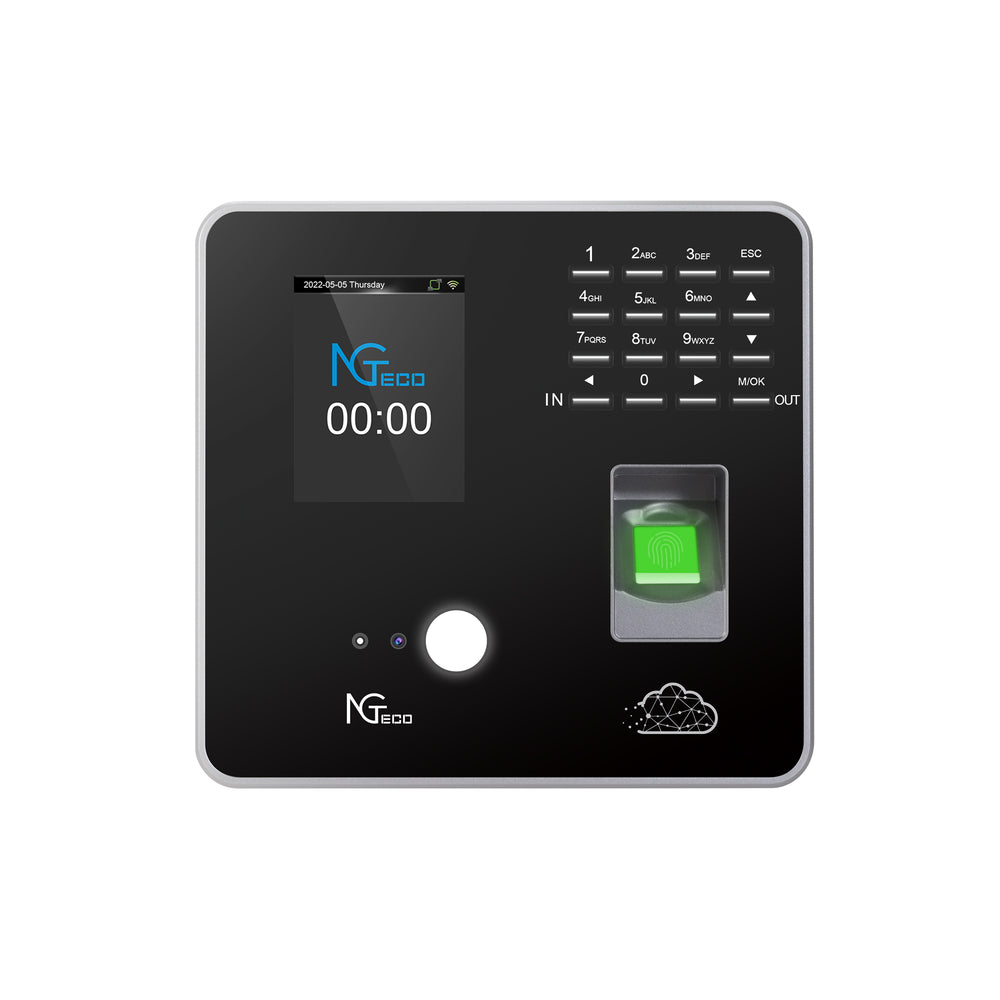
Biometric time clocks are advanced systems designed to record employee attendance using unique physical characteristics. Unlike traditional timekeeping methods, which often rely on manual entry or cards that can be lost or shared, biometric systems utilize biological traits such as fingerprints, facial features, or even iris patterns for verification. This technology not only enhances accuracy but also minimizes time fraud, as it is nearly impossible for one employee to clock in for another. The backbone of these systems lies in intricate scanning technology, which ensures that the data collected is both precise and secure.
Fingerprint scanning is the most common biometric method, where employees place their fingers on a scanner that captures their unique patterns. Facial recognition technology is another popular option, employing cameras and algorithms to identify individuals based on their facial features. Iris scanning, while less common, is gaining popularity due to its high accuracy. Each of these technologies relies on sophisticated algorithms to convert biological data into secure digital formats, ensuring that sensitive information is stored safely and used appropriately.
How Biometric Time Clocks Work
The operational process of biometric time clocks begins with enrollment. Employees must first register their biometric data, which is then converted into a unique digital template stored securely within the system. This step is crucial, as it allows the system to recognize individuals accurately during subsequent clock-ins. When an employee attempts to check in or out, the biometric scanner captures their biological data and compares it against the stored templates. If there is a match, the attendance is recorded automatically, streamlining the entire process.
Data storage and security are paramount in biometric systems. The biometric data collected is typically encrypted, meaning that even if a data breach were to occur, the information would be unreadable without the proper decryption keys. Additionally, many systems are designed to store only templates rather than actual biometric data, further enhancing security. This level of protection ensures that sensitive employee information remains confidential, addressing concerns that some may have about privacy and data misuse.
Benefits of Biometric Time Clocks
Implementing biometric time clocks offers numerous advantages that can significantly benefit a business. One of the most notable advantages is increased accuracy in attendance tracking. With biometric systems, the chances of human error are reduced, and the risk of time fraud—such as buddy punching—is virtually eliminated. This accuracy translates to more reliable payroll processing, ensuring that employees are paid correctly based on their actual hours worked.
Moreover, biometric time clocks enhance security in the workplace. Since these systems require unique biological data for authentication, they create a more secure environment by preventing unauthorized access. They also promote employee accountability, as staff members are more likely to adhere to their scheduled hours when they know their attendance will be accurately recorded. With streamlined payroll processes, businesses can save time and resources, allowing them to focus on core operations.
Case Studies and Real-World Applications
Many industries have successfully adopted biometric time clocks, reaping significant benefits. For instance, a manufacturing plant that implemented a fingerprint-based system reported a 30% reduction in time fraud and improved overall productivity. Employees appreciated the ease of use and quick processing time, leading to a more efficient workflow.
Similarly, a healthcare facility adopted facial recognition technology to manage staff attendance. This not only sped up the clock-in process but also enhanced security, as only authorized personnel could access sensitive areas. The outcomes were overwhelmingly positive—staff morale increased, and administrative burdens were greatly reduced.
Transforming Attendance Management with Biometric Technology
In summary, biometric time clocks represent a leap forward in attendance tracking technology, offering unparalleled accuracy and security compared to traditional methods. By leveraging unique biological traits, these systems not only safeguard sensitive employee data but also enhance overall operational efficiency. As businesses strive for better management solutions, integrating biometric systems could prove to be a game-changing decision. For those looking to improve efficiency and security in their workplaces, considering a biometric time clock system may be well worth the investment.