
Unlock the Secrets of the 3500/25 Module: Your Ultimate Guide to Mastering Part Number 149369-01!
The 3500/25 module plays a crucial role in various industrial applications, serving as a key component for monitoring and managing equipment performance. Its significance cannot be understated, especially when considering the specific part number 149369-01, which brings distinct features and functionalities to the table. In this guide, we will explore in detail what makes the 3500/25 module unique, including its capabilities, key features, and practical troubleshooting tips. Whether you’re a seasoned technician or a newcomer eager to understand this module, this article will serve as your comprehensive resource.
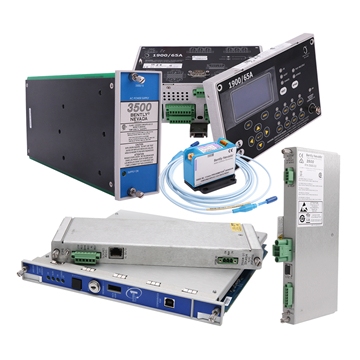
Understanding the 3500/25 Module
The 3500/25 module is primarily designed for system monitoring and data acquisition, making it an essential tool in various industrial environments. Its main function revolves around the collection and processing of data from sensors and machinery, enabling operators to monitor equipment health and performance metrics in real time. This capability is vital for preventing unexpected downtime and facilitating proactive maintenance strategies. The module excels in environments where reliability and accuracy are paramount, providing detailed insights that help in decision-making processes. With its intuitive interface and robust design, the 3500/25 module can integrate seamlessly into existing systems, enhancing overall operational efficiency. Personal experiences shared by colleagues highlight how implementing this module has drastically reduced response times to equipment anomalies, underscoring its effectiveness in maintaining optimal production levels.
Key Features of Part Number 149369-01
Delving into the specific features associated with part number 149369-01, this module stands out due to its advanced design and operational benefits. One of its key features is its ability to support various signal types, which allows it to interface with a wide range of sensors and devices. This versatility is particularly beneficial in diverse industrial settings, where different equipment may require tailored monitoring solutions. Furthermore, the 149369-01 variant includes enhanced data processing capabilities, ensuring that the information gathered is not only accurate but also presented in an easily interpretable format. Its user-friendly design simplifies the setup process, allowing for quick deployment and minimizing disruption to ongoing operations. Additionally, the module's robust construction ensures durability under extreme working conditions, making it an excellent choice for industries that demand high performance and reliability. Friends in the field have shared that the 149369-01 has led to significant improvements in their data acquisition processes, thanks to its efficient handling of large data volumes and rapid response times.
Troubleshooting Common Issues
Despite its reliability, users may encounter common issues with the 3500/25 module. One frequent problem is signal loss, which can occur due to wiring issues or environmental factors. To troubleshoot this, it’s advisable to inspect the connections and ensure that the wiring is intact and free from damage. Another common issue is software misconfiguration, which can lead to inaccurate data readings. Users should double-check their configuration settings and ensure they align with the required specifications for the equipment being monitored. Moreover, it’s important to keep the firmware updated, as manufacturers often release patches that improve performance and fix known bugs. Friend anecdotes often highlight the importance of consulting the user manual during troubleshooting, as it provides valuable insights into diagnostic procedures that can save time and effort. By following these practical steps, users can effectively address and resolve issues, ensuring that the 3500/25 module continues to function optimally.
Best Practices for Maintenance
To ensure the longevity and optimal performance of the 3500/25 module, adhering to best maintenance practices is essential. Regular inspections of the module and its connections can help detect potential problems before they escalate. It's advisable to establish a maintenance schedule that includes periodic cleaning of the module to prevent dust and debris accumulation, which can interfere with its operation. Additionally, keeping detailed logs of performance metrics and any irregularities can aid in identifying patterns that may indicate underlying issues. When performing maintenance, always refer to the manufacturer’s guidelines for specific recommendations on servicing and care. Personal experiences from colleagues emphasize the importance of preventive maintenance, as it not only extends the module's lifespan but also significantly reduces the risk of unexpected equipment failures.
Final Thoughts on the 3500/25 Module
In conclusion, understanding the 3500/25 module, particularly part number 149369-01, is crucial for anyone involved in industrial monitoring and data acquisition. By familiarizing yourself with its features, troubleshooting common issues, and implementing best maintenance practices, you can ensure that your equipment operates at peak performance. This knowledge not only aids in effective management but also empowers you to make informed decisions that can enhance productivity and reliability in your operations. Whether you are a seasoned professional or just starting in the field, mastering the 3500/25 module can lead to significant improvements in your industrial processes.