
Unleash Your Kitten's Potential: Discover the Secret to Irresistibly High-Protein Delights!
As a new kitten owner, understanding the importance of nutrition in your kitten's growth and development is crucial. Kittens are not just adorable bundles of fur; they are growing athletes requiring the right fuel to support their rapidly developing bodies. A high-protein diet plays an essential role in their overall growth, muscle development, and energy levels, enabling them to explore their surroundings and engage in playful antics. With a myriad of options available in the market, it can be overwhelming to choose the right high-protein foods for your furry friend. In this article, we will explore the benefits of high-protein diets, how to select the best foods, and some homemade recipes that can elevate your kitten's nutrition.
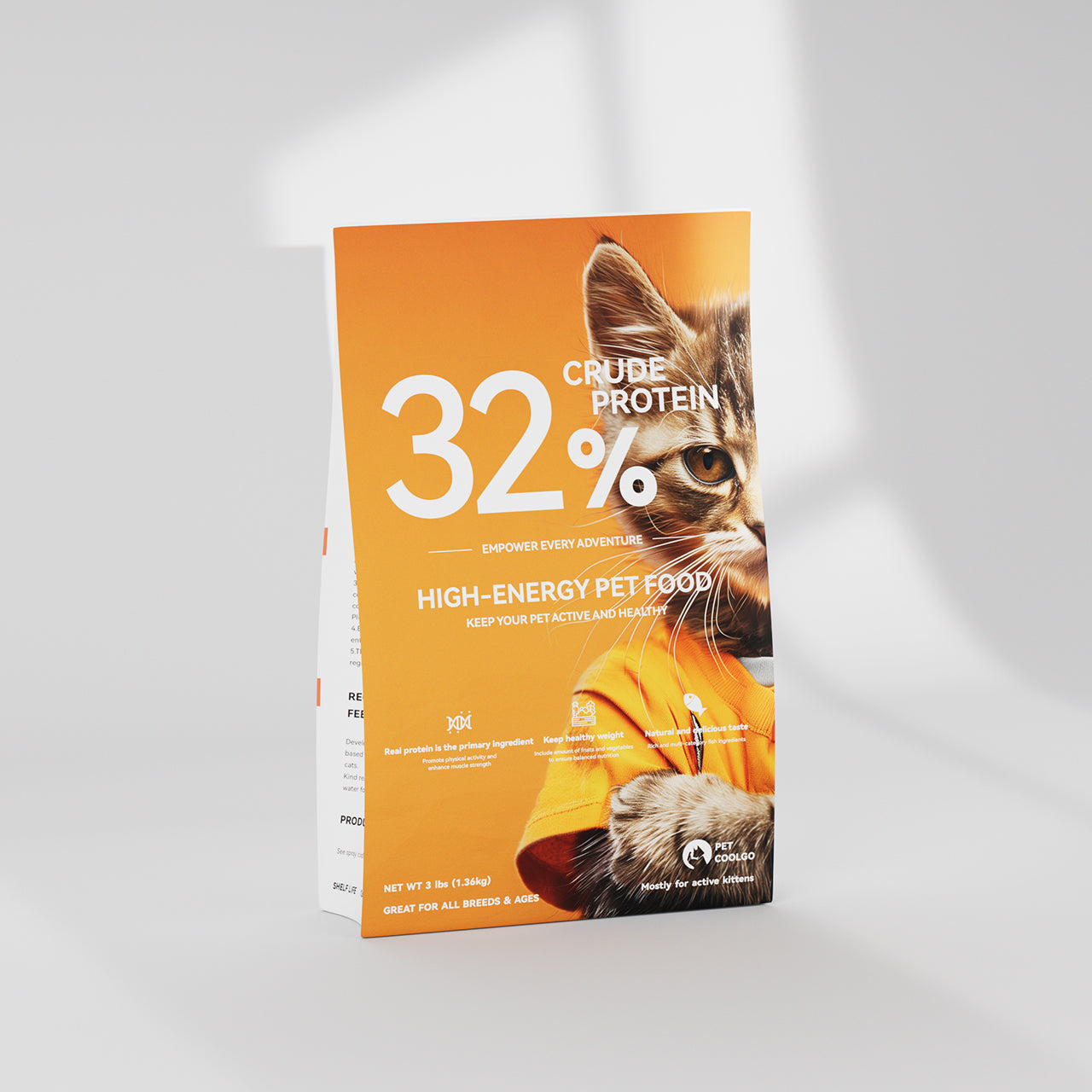
The Importance of Protein in a Kitten's Diet
Protein is a vital macronutrient that serves as the building block for tissues and is essential for the overall health of your kitten. Unlike adult cats, kittens require a higher protein intake to support their rapid growth and development. This nutrient plays a significant role in muscle development, immune function, and energy production. A diet rich in protein helps kittens build strong muscles as they grow and aids in developing a robust immune system that can fend off illnesses. Additionally, protein provides the energy kittens need to engage in their natural behaviors, from playful pouncing to curious exploration. The specific protein needs of kittens can vary, but they generally require around 30-40% of their diet to come from protein sources, significantly more than what adult cats need. This highlights the importance of a high-protein diet tailored to their developmental stage.
Identifying High-Protein Kitten Foods
When it comes to purchasing high-protein kitten food, being able to read pet food labels is essential. Look for foods that list specific animal proteins, such as chicken, turkey, or fish as the first ingredient. These are indicative of high-quality protein sources that provide the essential amino acids your kitten needs. Avoid foods that list vague terms like "meat by-products" or "animal meal," as these can be lower in nutritional value. Additionally, it's important to consider the protein percentage in the food; ideally, it should be at least 30% protein for kittens. Ingredients such as eggs, salmon, and even legumes can be beneficial protein sources. However, steer clear of fillers like corn and soy, which offer little nutritional value. Understanding these components will help you make informed choices about the best high-protein foods for your kitten.
Homemade High-Protein Options
For those who prefer to prepare their kitten's meals at home, there are several high-protein recipes that are both nutritious and easy to make. A simple option is a chicken and pumpkin blend. Boil chicken breast until fully cooked, shred it, and mix it with canned pumpkin (not the spiced pie filling) for added fiber and nutrients. Another option is to create a fish and rice dish using cooked salmon and plain white rice. It’s important to ensure that any homemade food is balanced and meets the nutritional needs of your kitten. Always incorporate safe ingredients and avoid those that are toxic to cats, like onions and garlic. Preparing kitten food at home can be rewarding, ensuring that your kitten receives wholesome, high-protein meals that are free from unnecessary additives.
Transitioning to High-Protein Foods
When introducing high-protein foods to your kitten's diet, it's crucial to do so gradually. A sudden change in diet can lead to digestive issues like upset stomachs or diarrhea. Start by mixing a small amount of the new high-protein food with your kitten's current food, gradually increasing the proportion of the new food over a week or so. Monitor your kitten's reaction to the new diet, noting any changes in their energy levels or digestive health. If you observe any adverse reactions, it may be wise to consult with a veterinarian for guidance. This careful approach to transitioning will help your kitten adapt smoothly to their new high-protein diet.
Summary of Key Takeaways
In summary, providing your kitten with high-protein food is essential for their growth, development, and overall health. By understanding the importance of protein in a kitten's diet, identifying quality high-protein options, and considering homemade recipes, you can ensure your little furball gets the nutrition they need to thrive. Remember to transition to new foods gradually and always monitor your kitten's health and behavior. By making informed choices, you can help your kitten unleash their full potential and enjoy a healthy, vibrant life.