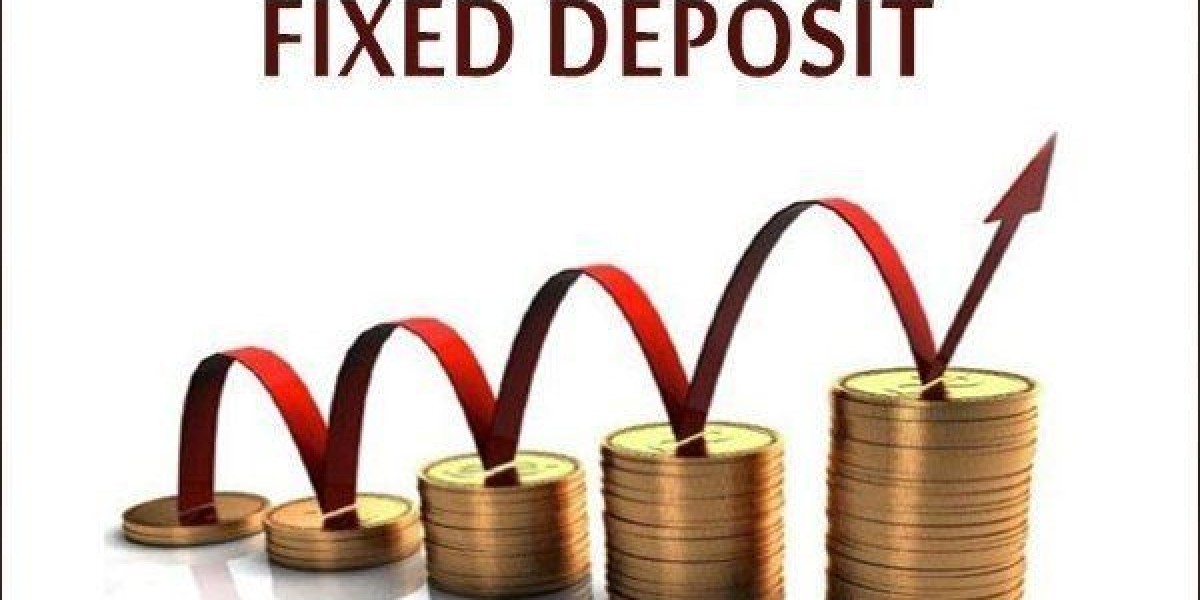

If you’ve got a bit of extra money lying around and want to grow it without too much risk, a fixed deposit is a good place to start. It’s simple. You pick the amount and the time period and the interest is fixed from the beginning.
Here’s a quick guide on how to open FD with any bank — no financial jargon, just the basics.
- Pick the bank you trust
Most people go with the bank where they already have a savings account. It’s convenient and your paperwork is already with them. But it doesn’t have to be the same bank. You can check interest rates at other banks or platforms too.
Just make sure it’s a recognised bank. Private or public — both are fine as long as they’re regulated.
- Decide how much and for how long
Before starting, have a number in mind. How much do you want to put in? And for how long can you leave it untouched?
You can choose anything from a few days to a few years. Longer durations usually give better interest. So think about your needs before locking the money in.
- Choose how you want to receive interest
There are two ways. One, you can let the interest build up and receive it all at maturity. Or two, you can get it every month or quarter. If you want a small income every now and then, go for the second option.
It depends on whether you’re saving for a goal or just want regular returns.
- Complete KYC if it’s a new bank
If it’s your first time with that bank, they’ll need your basic documents — like PAN and Aadhaar. Some banks ask for a passport photo too. If you already bank with them, you might skip this step entirely.
Online or offline, both work. Some platforms even let you upload documents digitally.
- Transfer the money
Once the details are sorted, you pay the amount. If you’re booking online, it comes straight out of your savings account. If it’s offline, you can hand over a cheque or transfer the amount through net banking.
Right after payment, your FD is created. The bank usually sends a confirmation message or email.
- Check your FD when needed
After you open FD, you can view it anytime through your bank’s app or website. It’ll show your balance, interest earned and maturity date. Some banks remind you before the term ends so you can renew or withdraw.
Managing FDs is easy today. You don’t need to visit a branch or call anyone.
A steady option that works
FDs don’t promise big rewards but they’re steady and reliable. For anyone looking to balance out a portfolio that might already include bonds investment in India, this is a solid addition.
There’s no drama. Just a quiet place for your money to grow safely.